
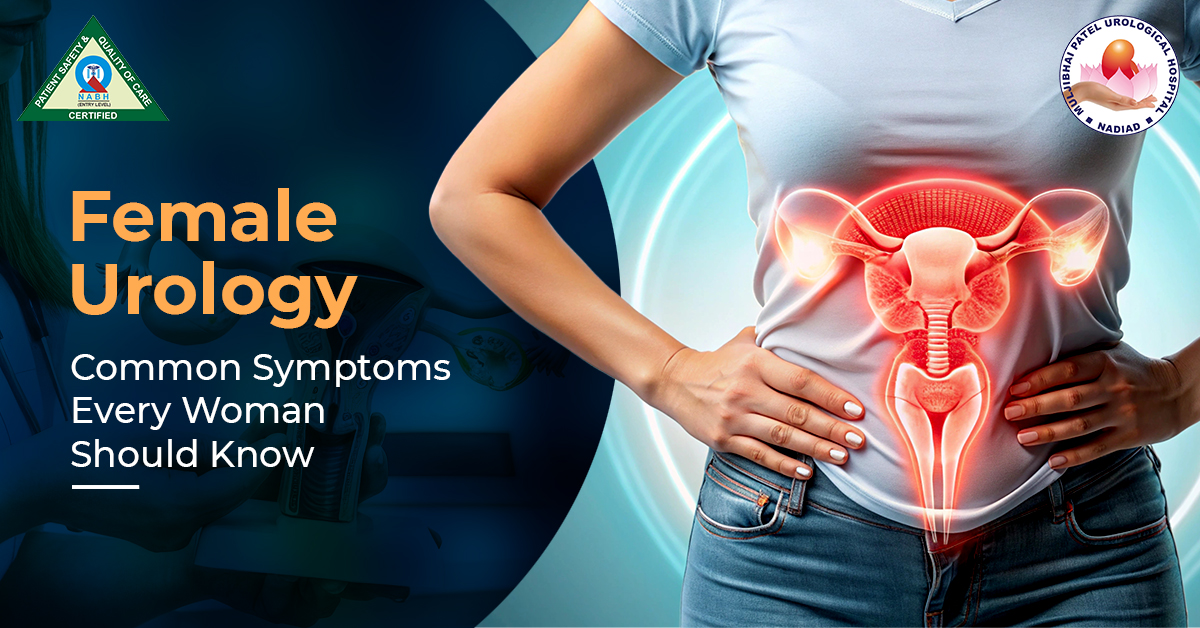
Female Urology: Common Symptoms Every Woman Should Know
Many women experience urinary or pelvic health issues at some point in their lives, yet these symptoms are often ignored or mistaken as a normal part of aging, pregnancy, or childbirth. Delaying treatment can lead to discomfort, recurring infections, and more serious health complications.
Understanding the warning signs of female urology conditions is the first step toward maintaining good urinary and pelvic health. Early diagnosis and timely medical care can help manage symptoms effectively, improve quality of life, and prevent long-term complications.
What Is Female Urology?
Female urology focuses on diagnosing and treating conditions affecting a woman's urinary tract, bladder, urethra, and pelvic floor. It addresses issues such as urinary incontinence, recurrent urinary tract infections (UTIs), overactive bladder, pelvic organ prolapse, and other urinary disorders.
Common Symptoms Every Woman Should Know
1. Frequent Urination
Needing to urinate more often than usual, especially if it disrupts daily activities or sleep, may indicate an underlying urinary condition.
Possible Causes:
- Overactive bladder
- Urinary tract infection (UTI)
- Diabetes
- Bladder irritation
2. Pain or Burning During Urination
A burning sensation while urinating is commonly associated with urinary tract infections but may also indicate other urinary conditions that require medical evaluation.
3. Urinary Incontinence
Accidental leakage of urine during coughing, laughing, exercising, or even without warning is not a normal part of aging and should be assessed by a specialist.
4. Blood in the Urine
Visible or microscopic blood in the urine should never be ignored, as it may indicate infection, kidney stones, or other urological conditions.
5. Difficulty Emptying the Bladder
A weak urine stream, difficulty starting urination, or the feeling that the bladder hasn't emptied completely may require further medical investigation.
6. Recurrent Urinary Tract Infections (UTIs)
Frequent UTIs can affect quality of life and may indicate structural or functional urinary tract problems.
7. Pelvic Pain or Pressure
Persistent pelvic discomfort, heaviness, or pressure may be related to bladder disorders or pelvic floor conditions that need specialist care.
Who Is More Likely to Experience Female Urology Problems?
Women may have a higher risk if they:
- Are pregnant or have had multiple childbirths
- Have reached menopause
- Experience recurrent UTIs
- Have diabetes
- Have a family history of urinary disorders
- Are overweight or obese
- Have undergone pelvic surgery
Recognizing these risk factors can encourage earlier screening and timely treatment.
When Should You See a Urologist?
You should consult a specialist if you experience:
- Persistent urinary leakage
- Blood in the urine
- Frequent or painful urination
- Recurrent urinary tract infections
- Pelvic pain lasting several days
- Difficulty passing urine
- Sudden changes in bladder habits
Need expert advice? If you're experiencing any of these symptoms, the female urology specialists at MPUH are here to help with accurate diagnosis and personalized treatment.
How Female Urology Conditions Are Diagnosed
Diagnosis may include:
Medical History Review
The doctor reviews your symptoms, lifestyle, medical history, and any previous urinary or pelvic health issues to understand the condition better.
Physical Examination
A thorough examination helps evaluate the urinary tract, pelvic organs, and overall pelvic health to detect any abnormalities.
Urine Tests
Urine analysis checks for infections, blood, protein, or other abnormalities that may indicate urinary tract or kidney-related conditions.
Imaging Tests
Ultrasound, CT scans, or other imaging tests may be recommended to identify structural issues affecting the kidneys, bladder, or urinary tract.
Specialized Urological Tests
Advanced assessments, such as urodynamic testing or cystoscopy, help diagnose bladder function disorders and pelvic floor conditions with greater accuracy.
Treatment Options for Female Urology Conditions
Treatment depends on the underlying cause and severity of symptoms.
Lifestyle Modifications
Healthy hydration, weight management, and bladder training can improve urinary health.
Medications
Medicines may help manage infections, overactive bladder, or inflammation.
Pelvic Floor Therapy
Strengthening pelvic muscles can improve bladder control and reduce urinary leakage.
Minimally Invasive Procedures
Some conditions can be treated using advanced, minimally invasive techniques with quicker recovery times.
Surgical Treatment
Surgery may be recommended for severe cases that do not respond to conservative treatment.
Tips to Maintain Good Urinary Health
- Drink adequate water throughout the day.
- Practice good personal hygiene.
- Avoid delaying urination for long periods.
- Maintain a healthy body weight.
- Perform pelvic floor exercises regularly.
- Seek medical attention for recurring urinary symptoms.
These habits can help reduce the risk of developing common urinary tract problems.
Conclusion
Recognizing the early signs of female urology conditions is essential for maintaining long-term urinary and pelvic health. Symptoms such as frequent urination, urinary leakage, pelvic discomfort, or recurrent infections should not be ignored, as early diagnosis can lead to more effective treatment. At MPUH, Nadiad, experienced specialists provide comprehensive female urology care with advanced diagnostics and personalized treatment plans, helping women improve bladder health and regain a better quality of life.